Lower Body Mobility: Why Your Feet, Ankles, Knees, and Hips Matter More Than You Think
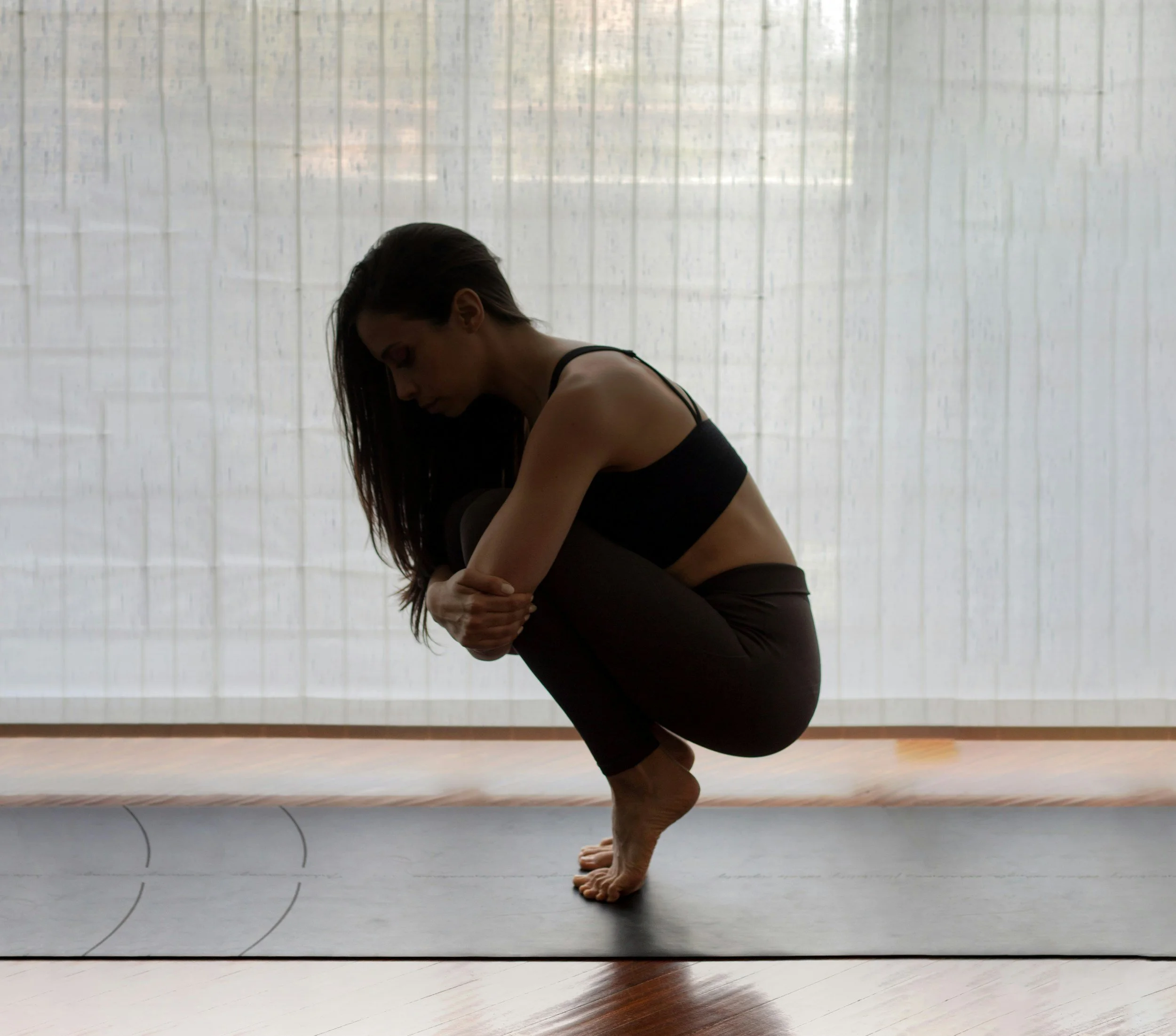
When most people think about improving movement, they think about stretching. But mobility is not the same thing as flexibility — and understanding the difference can completely change how your body feels and functions as you age.
Your lower body is your foundation. Every step you take depends on the health and coordination of your feet, ankles, knees, and hips. When these joints move well, the rest of the body tends to move better too. When they become stiff, weak, or disconnected, compensation patterns begin to appear everywhere else.
That’s why lower body mobility work is about much more than touching your toes. It’s about preserving movement quality, balance, circulation, resilience, and independence for years to come.
Follow Along With the Lower Body Mobility Video
If you’d like to move through this lower body mobility session with me, you can watch the full video here:
This session focuses on improving mobility and control through the feet, ankles, knees, and hips — helping support balance, circulation, joint health, and functional movement for everyday life.
Mobility vs. Flexibility
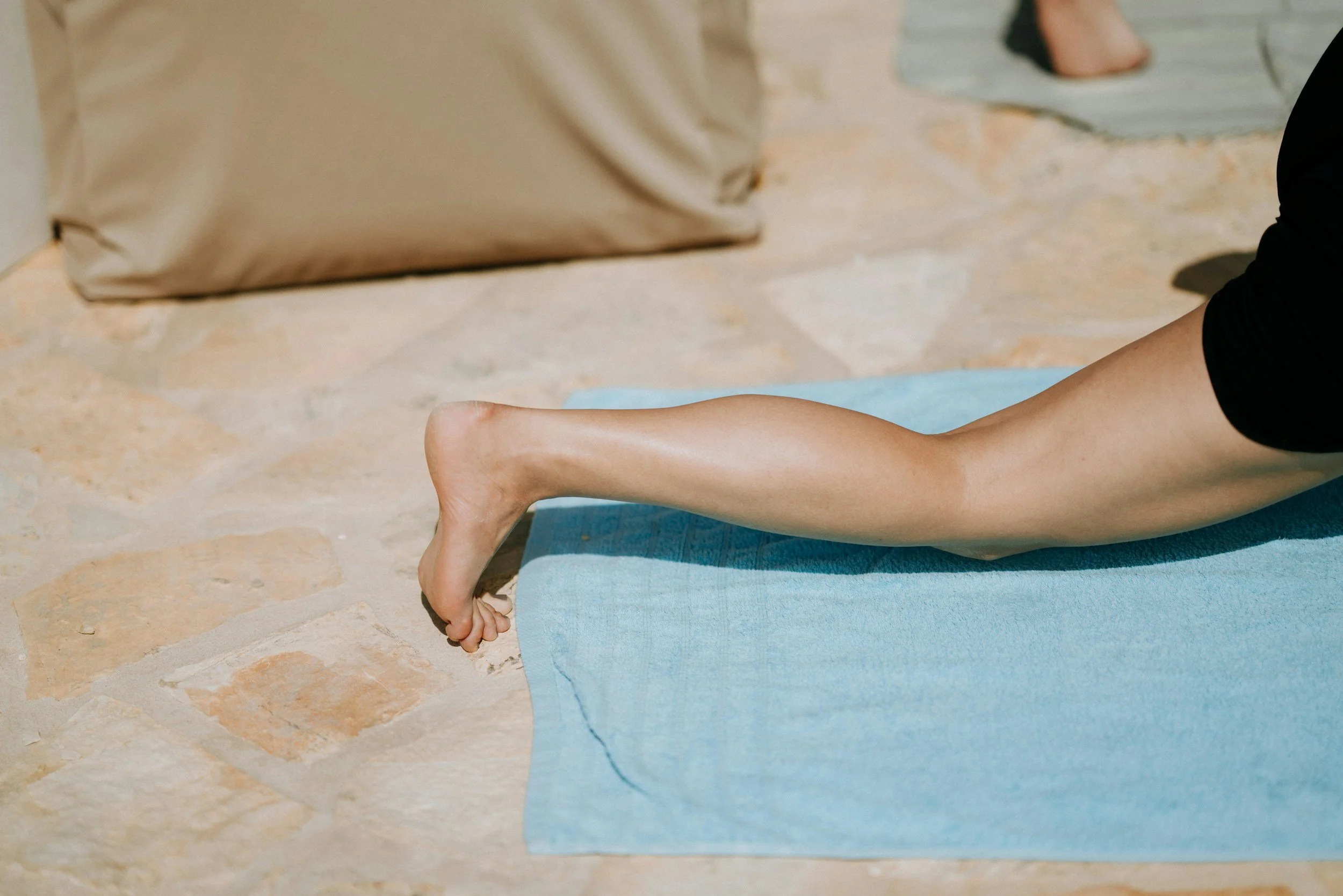
Flexibility is your muscles’ ability to lengthen passively. Mobility is your ability to actively control movement through a joint’s available range of motion.
In simple terms:
Flexibility is having range.
Mobility is being able to use and control that range.
You can be flexible and still lack mobility. Many people can stretch their hamstrings but struggle to squat, balance on one leg, or comfortably get up and down from the floor.
True mobility combines:
Joint health
Strength
Nervous system control
Coordination
Stability
Range of motion
Mobility training teaches the brain and body how to safely access movement — not just passively hang out in a stretch.
Why Feet and Ankles Deserve More Attention
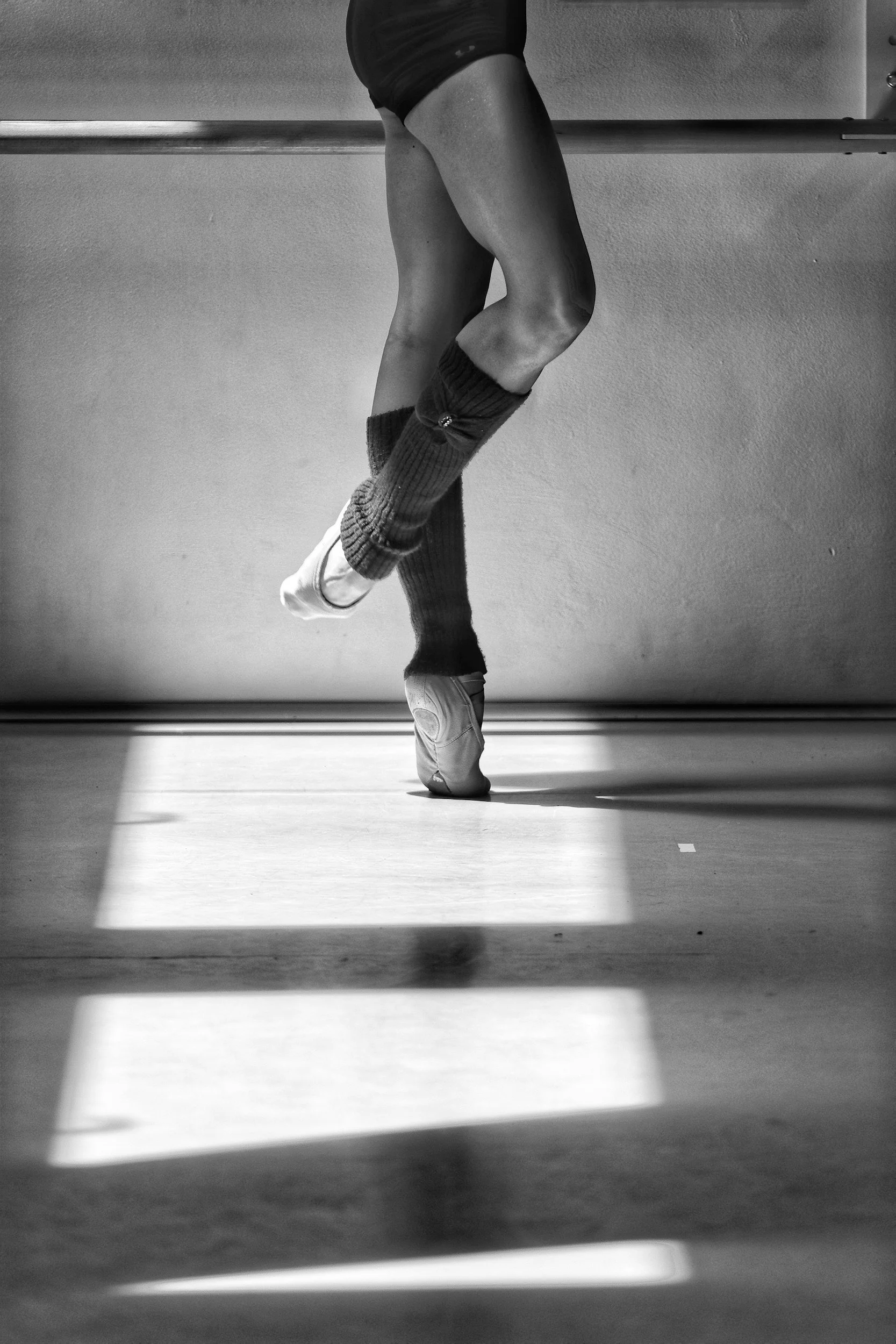
The feet and ankles are often overlooked until pain develops. But they are the first point of contact with the ground and play a huge role in balance, gait, shock absorption, and force production.
Healthy feet and ankles help:
Improve balance and stability
Reduce fall risk
Support healthy knees and hips
Improve walking mechanics
Enhance athletic performance
Decrease compensatory strain throughout the body
Restricted ankle mobility alone can contribute to:
Knee pain
Hip tightness
Plantar fasciitis
Achilles issues
Poor squat mechanics
Low back discomfort
The body is a chain. If the feet and ankles cannot move efficiently, something else has to compensate.
Strong Legs Help Support Circulation
You may have heard the calf muscles referred to as the “second heart.” That’s because the muscles of the lower legs help pump blood and lymphatic fluid back upward toward the heart against gravity.
Every time you walk, squat, climb stairs, or actively move your ankles and calves, you assist circulation throughout the body.
As we age — especially if we become more sedentary — this muscular pumping mechanism becomes less efficient. That can contribute to:
Swelling
Stiffness
Heaviness in the legs
Poor circulation
Reduced energy
Strengthening the legs matters. But joints also need movement variability and control. Muscles cannot function optimally around joints that are stiff, compressed, or poorly coordinated.
Mobility work helps restore the movement quality that allows muscles to work more effectively.
Mobility and Injury Prevention
Many injuries do not happen because the body is weak alone — they happen because the body lacks options.
When joints lose mobility:
Forces are transferred elsewhere
Compensation patterns increase
Balance becomes less reliable
Load is distributed unevenly
For example:
Limited ankle mobility may overload the knees
Stiff hips may increase low back strain
Poor foot control can affect balance and gait
Mobility training improves body awareness, joint control, and movement adaptability. It helps your body better absorb force and respond to real-life movement demands.
Functional Aging: Move Well Longer

One of the most important predictors of long-term independence is the ability to continue performing basic movement tasks confidently and safely.
Can you:
Step over obstacles?
Climb stairs?
Balance on one leg?
Squat down?
Get up and down from the floor?
These abilities are deeply connected to lower body mobility and strength.
Getting down to the floor — and back up again — is one of the most functional movement skills we can maintain as we age. It requires:
Hip mobility
Ankle mobility
Core coordination
Leg strength
Balance
Confidence
When we stop moving through these ranges regularly, the body gradually loses access to them.
The good news is that the nervous system responds incredibly well to consistent, intentional movement practice at any age.
Menopause and Lower Body Mobility
Menopause brings significant hormonal and physiological changes that can affect:
Muscle mass
Joint stiffness
Tendon health
Recovery
Bone density
Balance and coordination
Many women notice increased tightness, aches, reduced stability, or feeling “stiffer” seemingly overnight.
Estrogen plays a role in connective tissue health and recovery. As hormone levels shift, joints and tissues may become less resilient if movement and strength training are neglected.
This is why mobility work becomes even more important during and after menopause.
Mobility training can help:
Maintain joint health
Improve circulation
Support balance
Enhance body awareness
Reduce stiffness
Complement strength training
Improve confidence in movement
And while walking is wonderful, the body also benefits from moving joints in multiple directions and maintaining controlled access to a variety of ranges.
Movement Is Maintenance
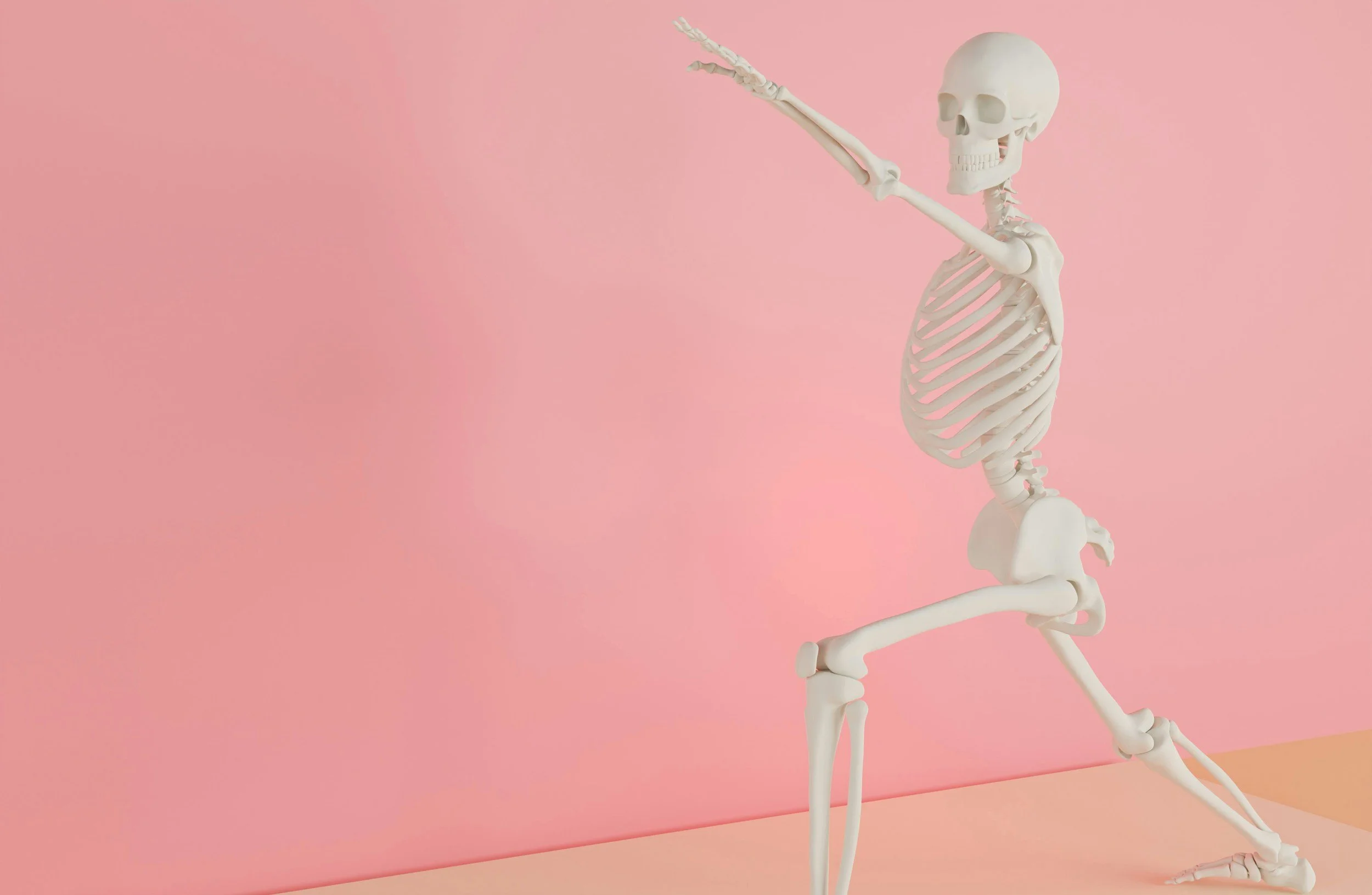
Mobility is not about becoming more bendy. It is about maintaining access to the movements that allow you to live fully and independently.
Your feet, ankles, knees, and hips are designed to move. The more intelligently and consistently you move them, the more likely they are to continue supporting you well into the future.
A few minutes of intentional lower body mobility work can help improve:
Joint health
Balance
Coordination
Circulation
Strength integration
Daily movement quality
Your body adapts to what you practice.
If you want to keep moving well, keep giving your joints a reason to move.
Ready to Move?
Consistent mobility work can help you maintain healthier joints, better balance, improved circulation, and more confidence in movement as you age.
If you’re ready to give your feet, ankles, knees, and hips some attention, you can follow along with the full Lower Body Mobility Flow video linked above.
If this session helped you, feel free to share it with a friend or family member who could benefit from moving a little better and feeling a little stronger.
If you’re looking for more individualized guidance, I offer private and small group sessions designed to help you move better, feel stronger, and support long-term joint health.
You can contact me here: https://www.movefeelhealwithshari.com/contact
