Mobility vs. Stretching: Why They’re Not the Same (and Why You Need Both)
Why This Matters
Ever wondered why your hips still feel stiff even though you stretch every day? That’s because flexibility and mobility aren’t the same — and understanding the difference can transform how your body feels, moves, and ages.
Stretching: Expanding Your Flexibility
Stretching is about lengthening your muscles and fascia. It helps you relax tight areas and improve your flexibility over time.
But most stretching is passive — meaning something else (your body weight, gravity, or a strap) is doing the work for you.
That’s great for releasing tension, but here’s the catch: Just because you can move into a position doesn’t mean your body is actually safe there. Without the joint strength and neuromuscular control to support that range, overstretching can place stress on your connective tissues and increase your risk of strain or injury.
Static stretching opens the door — but mobility teaches your body how to walk through it.
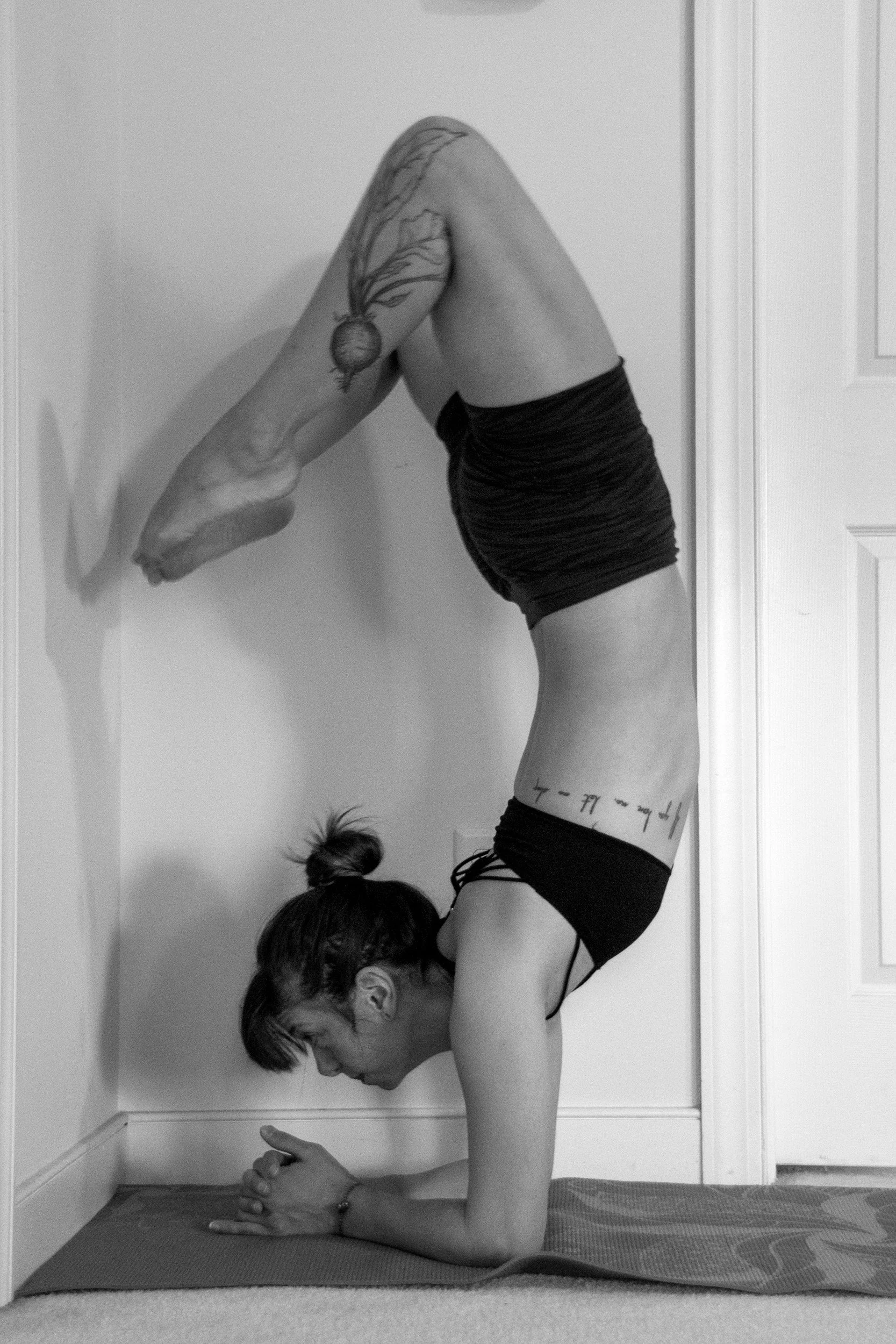
Mobility: Strength + Control at Every Angle
Mobility is more than flexibility — it’s your ability to move a joint through its range with control, coordination, and strength.
This is where my certifications with Functional Range Conditioning (FRC) and Z-Health come in. Both methods are rooted in neuroscience and joint health, training your body to own its movement — not just borrow it for a moment.
In FRC, we use tools like Controlled Articular Rotations (CARs), and PAILs and RAILs to strengthen your end ranges and build joint integrity. Z-Health takes it a step further by integrating your nervous system — vision, balance, breath, and sensory awareness — because your body moves best when your brain feels safe.
One of my favorite Z-Health principles states: “Mobility work is nervous system training disguised as movement.”— and it’s true for everyone.
Why Does the Distinction Matter?
Here are a few important reasons:
Functional movement vs. passive length: You might hit a deep stretch and feel “limber,” but if you can’t control your joints dynamically in real life (lifting, twisting, bending), then your mobility is still limited. One expert summed it up: mobility may build both passive and active flexibility, whereas static stretching often only improves the passive side. Ultimate Sandbag Training
Performance and safety: Mobility work that primes joints and muscles before movement tends to support better activation, stability, and joint health. Stretching can help relax and lengthen, but if used incorrectly (especially long static holds pre-workout) it may reduce strength or power. Cleveland Clinic+1
Joint health & long-term function: Mobility focuses on the joint + surrounding tissues + nervous system working together. Tight muscles can impede joint movement, but improving joint mobility requires more than just muscle length. Penn State Sites+1
Why It Matters for Every Body
Mobility isn’t just for athletes or dancers. It’s for everyone with a body.
Whether you’re a mom or grandparent wanting to keep up with the kids, a weekend warrior trying to stay injury-free, or a college athlete working to stay strong and competitive — mobility training keeps your joints healthy, your movements smooth, and your body resilient. Research shows that resistance training through full range of motion can improve flexibility as much as stretching — but it also builds strength and control at the same time (PMC8067745).
It’s not about doing more — it’s about doing it smarter.
What the Science Says
Static stretching increases flexibility but may reduce performance if done before strength training (Cleveland Clinic, 2023).
Active mobility improves flexibility and control simultaneously (PMC8067745).
Neuro-based movement training (like Z-Health) enhances coordination, balance, and pain resilience (Frontiers in Physiology, 2022).
The Bottom Line: Control Your Range, Control Your Health
If stretching gives you potential, mobility gives you control. And when you build both — strength, control, and awareness — your body moves with freedom instead of fear. No matter your age, background, or fitness level, mobility work helps you prevent injury, stay active longer, move with confidence, and feel deeply connected to your body again.
How to Use Both — in Your Practice
Warm-up mobility first: Start your session with active movement that takes joints through their ranges — leg swings, hip circles, shoulder rotations. This prepares your nervous system and tissues for work.
Targeted mobility drills: After warm-up, include joint-specific mobility work. Example: deep hip box drops + controlled hip internal/external rotation; thoracic spine windmills; ankle dorsiflexion walks.
End-range stretching (cool-down): After the main work, hold static or dynamic stretches for muscles that need releasing or lengthening. Use 20-60 second holds, focusing more on comfort than “pulling hard.”
Balance it over time: If someone’s movement is limited (e.g., squats feel restricted, hips feel stiff), prioritize mobility work (joint + control). If someone has restrictions in muscle length (e.g., tight hamstrings preventing hinge), then stretching will help.
Progress intelligently: Mobility work should progress to more challenging control/stability + range; stretching should progress in frequency and consistency rather than extremely long holds. Research suggests more reps/time for better effects. PMC
If you’re ready to start exploring this on your own, begin by adding a few of these drills into your regular routine and notice how your joints respond over time. Consistency is where the real change happens.
And if you’d like expert guidance — someone to assess your movement, personalize your drills, and help you progress safely — I offer one-on-one sessions to help you move with confidence and ease.
Work With Me to Move Better, Feel Better, Live Better
This is exactly what I help my clients do — from young athletes to vibrant grandparents. I blend yoga therapy, mobility training, and nervous system awareness to restore balance, strength, and ease in every movement.
Because when your joints move well, your whole body feels better.
