Take Charge of Your Day: A Science-Backed Guide to Organizing with Purpose

In our fast-paced world, it’s easy to fall into a reactive rhythm—responding to notifications, requests, and interruptions—rather than living intentionally. But when you organize your day with intention, you create clarity, calm, and momentum. You stop wasting time on indecision and start channeling energy into what truly matters.
Planning your day isn’t just another item on your to-do list—it’s the strategy that makes everything else easier.
Why Planning Your Day Actually Saves You Time
What feels like “one more thing” (planning, journaling, pausing) actually gives you hours back over the course of a week.
Here’s why:
Decision Fatigue Costs You Time
Every choice you make—even small ones—uses mental energy. When your day is unplanned, your brain constantly asks, “What do I do next?” This drains your executive function and slows you down. Routines reduce the number of decisions you have to make, freeing your brain for deep work and meaningful action.
Pause Practices Improve Focus and Reduce Stress
Meditation and reflection calm the nervous system, reduce stress hormones like cortisol, and improve attention span—all of which improve productivity rather than detract from it. Studies show even brief daily meditation enhances attention and cognitive control.
Putting Things on Paper Improves Clarity
Writing goals, reflections, and priorities activates brain regions tied to planning, memory, and emotional regulation. It clears “cognitive residue” so your mind isn’t juggling implicit tasks in the background.
In short: the time you invest up front gets multiplied throughout your day because you’re not reacting from stress—you’re responding with intention.
Start with Your Non-Negotiables
Begin by identifying non-negotiables—those essential practices you will not skip.
Examples:
Morning routine (meditation, journaling, affirmations)
Workouts
Meals (planned)
Appointments
Evening routine
By scheduling these first, everything else fits around what’s most important.

Morning Routine: Begin with Purpose & Poise
A powerful morning routine prepares your nervous system, sets intentions, and primes your brain for focus.
Here’s a science-supported flow:
1. Positive Affirmations
Positive affirmations aren’t just “feel-good” talk—they help rewire neural pathways linked to confidence and resilience.
These intentional statements shift your brain from self-criticism to constructive focus.
2. Meditation (5–15 Minutes)
Meditation improves your nervous system regulation, enhances focus, and reduces stress reactivity. Neuroscientific research shows it can strengthen the prefrontal cortex and shrink the amygdala—the part of the brain tied to stress responses.
This calm, focused start lets you move through your day rather than be swept along by it.
3. Journaling for Intentions & Clarity
Morning journaling connects your goals with your cognitive executive function, making them easier to act on throughout your day. It also reduces stress and helps plan rather than react.
4. Review Your Day’s Priorities
Take a moment to connect your goals to your schedule—what truly matters today? This primes the brain’s planning centers for execution.

Movement & Meals: Fuel for Body and Brain
Workouts
Exercise isn’t just good for physical health—regular activity improves mood, clears stress, and enhances executive function (decision-making, focus, memory).
Meal Planning
Hunger disrupts productivity. Planning balanced meals stabilizes blood sugar and sustains energy. When meals are intentional rather than reactive, you avoid impulsive choices and maintain consistent focus.

Evening Routine: Close with Awareness & Rest
How you end your day influences tomorrow.
Meditation or Breathwork
Just as morning meditation primes your nervous system for calm focus, evening practice helps de-stress your body and mind so you can recover more fully.
Easy Stretches
Stretching signals to your body that work is done and rest is coming—activating your nervous system’s rest-and-digest mode.
Turn Off Electronics Early
Blue light and constant stimulation block melatonin and delay restorative sleep. Disconnecting earlier improves sleep quality and cognitive reset for tomorrow.
Reflect, Release, and Look Forward
End your day by writing:
Three positive things that happened today — reinforces gratitude and trains your brain to notice the good.
What didn’t go perfectly—released — perfection isn’t possible; release tension around imperfect moments.
One thing you’re looking forward to tomorrow — this builds anticipation and motivation.
This reflection strengthens emotional regulation and helps your nervous system shift into rest.
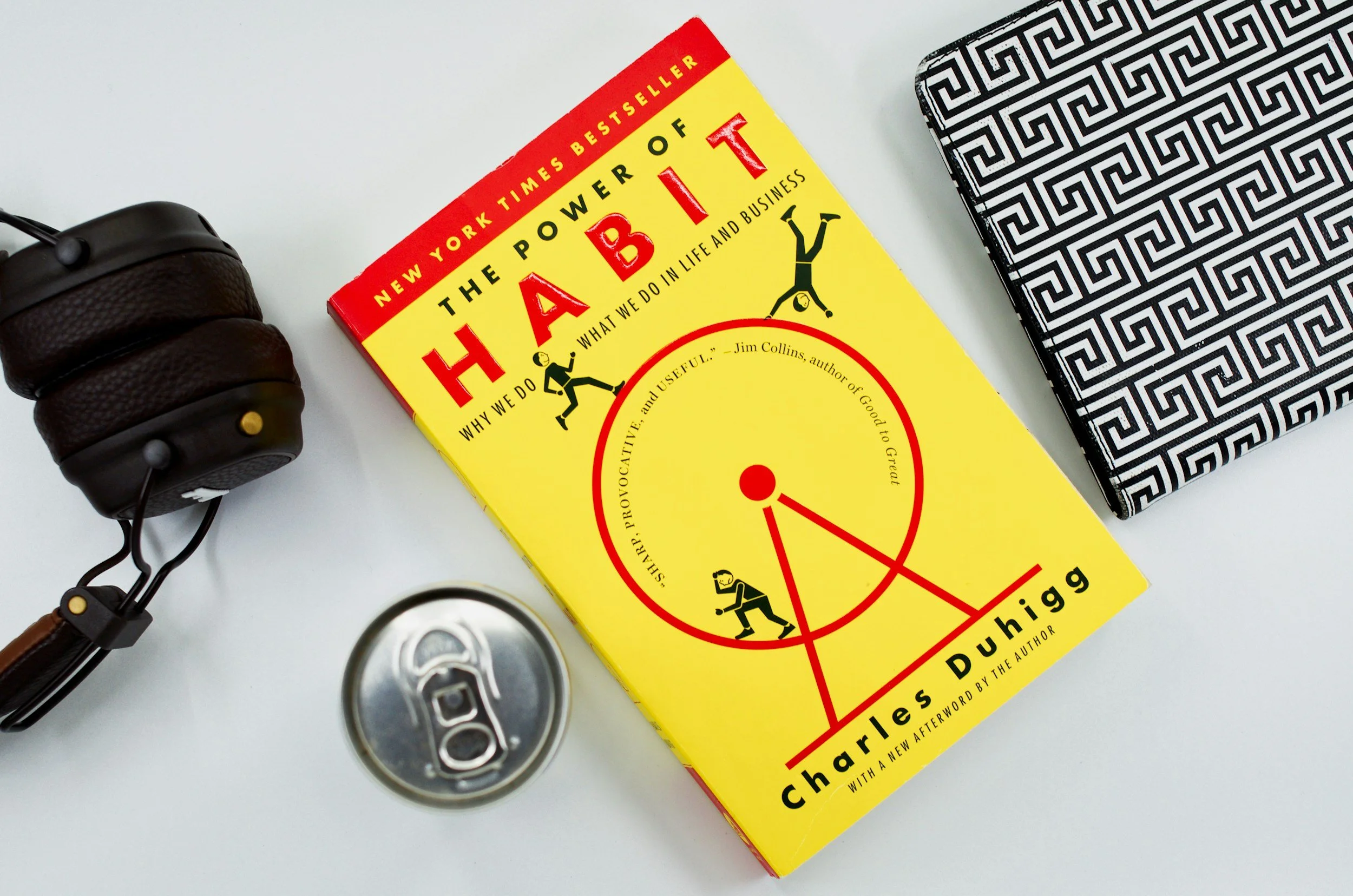
Habit Stacking: Make Good Routines Automatic
Habit stacking pairs new habits with established ones (e.g., meditate after brushing your teeth).
Research shows that linking new behaviors to existing triggers dramatically reduces resistance and increases consistency.
Example stacks:
After morning coffee → review your priorities
After lunch walk → review your top 3 tasks
After dinner → reflection journaling
These micro-connections save time and willpower.
Goal Setting Across Time Horizons
Planning your day is powerful, but it becomes transformational when aligned with longer goals.
Weekly Goals: Clarify what you want to accomplish this week.
Monthly Goals: Break larger milestones into manageable chunks.
Yearly Goals: Hold your long-term vision and ensure daily habits feed into it.
When daily action connects to bigger aims, momentum builds and purpose deepens.
Final Thoughts
Intentional daily structure doesn’t box you in—it frees you up. Planning your day:
✔ Reduces anxiety
✔ Improves clarity
✔ Supports your nervous system
✔ Ensures you act with purpose
And the nervous system benefits from predictability, intention, and restorative practices—not frantic reaction mode.
Need Guidance?
If you need help with workouts or prefer follow-along meditations, check out my free videos.
You can also reach out for one-on-one coaching, or grab a few friends for a small group session to build healthy habits together.
References:
The practices outlined in this post are supported by research in neuroscience, psychology, and behavioral science, and are intended to support nervous system regulation, focus, and overall well-being.
National Institutes of Health – Office of Research Services.
Boosting Productivity at Work: How Mindfulness Training Helps.
NIH Wellness Programs.
(Referenced for meditation improving focus, stress reduction, and productivity.)Tang, Y.-Y., Hölzel, B. K., & Posner, M. I. (2015).
The neuroscience of mindfulness meditation. Nature Reviews Neuroscience, 16(4), 213–225.
(Referenced for meditation’s effects on attention, emotional regulation, and nervous system balance.)Emmons, R. A., & McCullough, M. E. (2003).
Counting blessings versus burdens: An experimental investigation of gratitude and subjective well-being in daily life. Journal of Personality and Social Psychology, 84(2), 377–389.
(Referenced for gratitude journaling and end-of-day reflection.)Pennebaker, J. W., & Chung, C. K. (2011).
Expressive writing: Connections to physical and mental health. Oxford Handbook of Health Psychology.
(Referenced for journaling’s role in emotional processing and stress reduction.)Killingsworth, M. A., & Gilbert, D. T. (2010).
A wandering mind is an unhappy mind. Science, 330(6006), 932.
(Referenced for the importance of attention, presence, and reduced mental distraction.)Clear, J. Atomic Habits. Avery Publishing.
(Referenced for habit stacking and behavior change through environmental cues.)Ratey, J. J. Spark: The Revolutionary New Science of Exercise and the Brain. Little, Brown and Company.
(Referenced for exercise improving mood, cognition, and executive function.)Walker, M. Why We Sleep. Scribner.
(Referenced for sleep, nervous system regulation, and reducing evening screen exposure.)Baumeister, R. F., & Tierney, J. Willpower: Rediscovering the Greatest Human Strength. Penguin Press.
(Referenced for decision fatigue and the benefits of planning routines.)
