Yoga Therapy: A Nervous System–Based Approach to Pain, Anxiety, and Recovery
Yoga is often associated with group classes, flowing sequences, and generalized instruction. While these classes can be beneficial, yoga therapy is a distinct, clinically informed application of yoga that focuses on individualized care and nervous system regulation rather than standardized movement or performance.
Yoga therapy is a personalized, goal-oriented approach that uses movement, breath, awareness, and rest to support physical, emotional, and neurological health. Rather than emphasizing what a pose looks like, yoga therapy emphasizes how the body and nervous system respond.
Yoga Therapy vs. a Regular Yoga Class
A traditional yoga class typically:
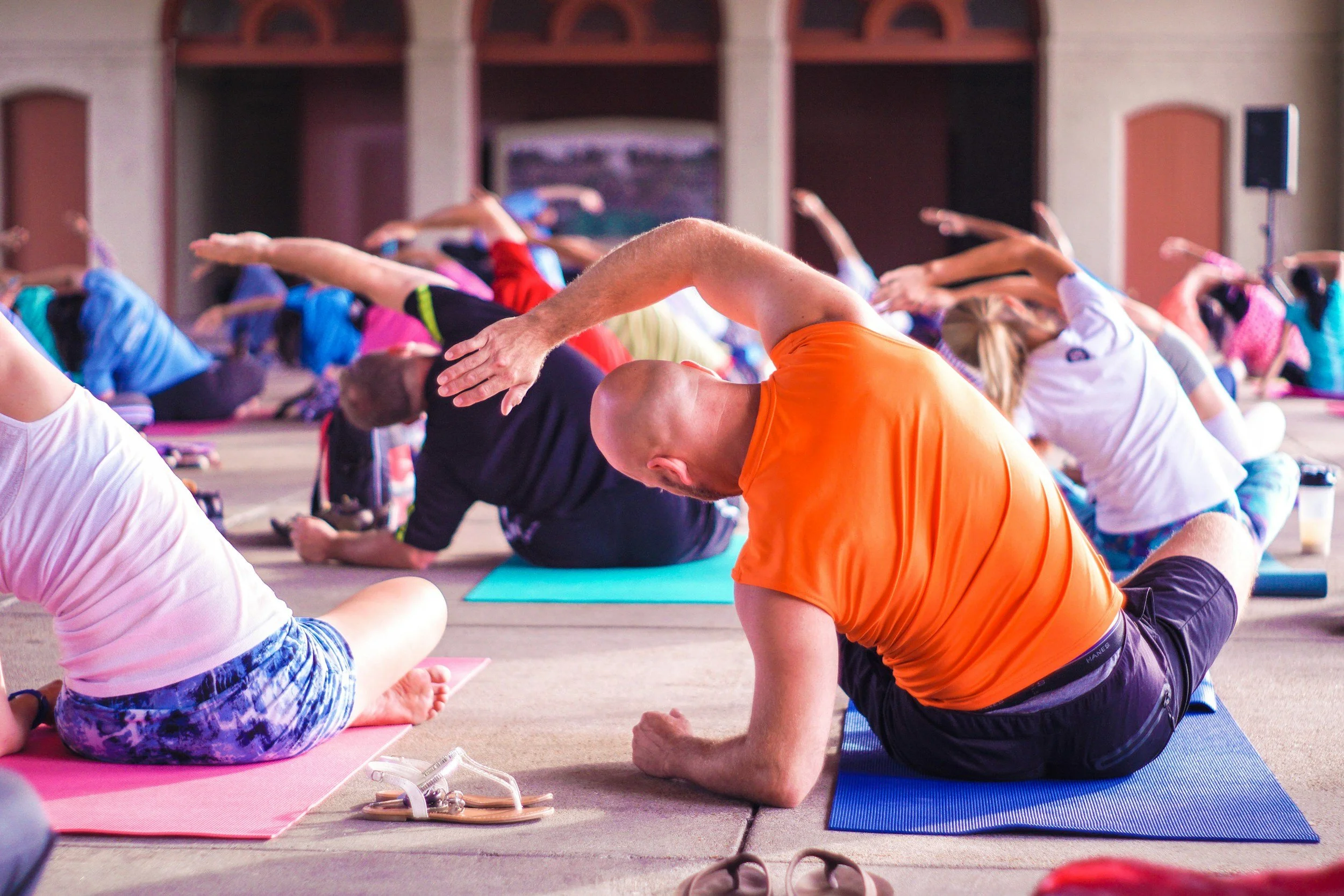
Follows a preset or semi-structured sequence
Is designed for a general population
Prioritizes flexibility, strength, or cardiovascular challenge
Moves at a pace determined by the group
Yoga therapy:

Is individualized and assessment-based
Adapts practices moment-to-moment based on response
Uses targeted movement rather than full sequences
Emphasizes nervous system safety and regulation
Prioritizes function, comfort, and confidence in movement
In yoga therapy, success is not measured by depth of a pose, but by improved regulation, reduced symptoms, and increased capacity.
Who Can Benefit From Yoga Therapy?
Yoga therapy may be particularly beneficial for individuals experiencing:
Chronic or persistent pain
Anxiety, depression, or chronic stress
Injury recovery or post-surgical rehabilitation
Balance difficulties or fear of movement
Nervous system dysregulation or trauma history
Conditions that make traditional yoga classes inaccessible
No prior yoga experience is required. Yoga therapy is designed to meet the individual where they are.
How Yoga Therapy Supports Specific Conditions
Anxiety and Depression
Anxiety and depression are associated with altered nervous system signaling and reduced tolerance to stress. Yoga therapy may support these conditions by:
Regulating breath to influence autonomic nervous system balance
Using predictable, low-threat movement to increase perceived control
Engaging visual and vestibular systems to reduce hypervigilance
Improving interoceptive and proprioceptive awareness
These practices can help shift the nervous system away from chronic threat responses and toward improved emotional regulation.
Pain (Acute or Chronic)
Pain is a protective output of the nervous system influenced by sensory input, context, memory, and perceived safety. Yoga therapy addresses pain by:
Reducing unnecessary muscle guarding
Improving proprioceptive input to update the brain’s body map
Reintroducing movement in a graded, non-threatening way
Supporting pacing and recovery to reduce flare-ups
As safety increases, pain intensity and frequency may decrease.
Injury Recovery
After injury, tissues may heal while the nervous system remains protective. Yoga therapy supports recovery by:
Gradually restoring movement variability
Improving neuromuscular coordination
Supporting balance and spatial orientation
Reducing fear-based movement patterns
This allows strength and mobility to return without reinforcing protective tension.
The Neuromuscular and Sensory Basis of Yoga Therapy
The nervous system’s primary function is protection. Movement is secondary to safety.
The brain continuously evaluates sensory input from:
The vestibular system (head position and balance)
The visual system (environmental context)
The proprioceptive system (muscle and joint feedback)
When sensory information is unclear or interpreted as threatening—whether due to injury, stress, or past experience—the brain may increase pain, stiffness, or movement restriction.
Yoga therapy intentionally provides clear, calm, multisensory input to help the brain update its assessment of safety.
Two Evidence-Informed Practices You Can Use Right Now
1. Orienting With Vision, Movement, and Finger Tapping
Orientation provides present-moment sensory information that helps reduce threat perception.
Slowly turn your head and upper body while scanning the room with your eyes. As you move, name specific objects you see:
“I see a yellow ball.”
“I see a wooden table.”
“I see light on the wall.”
At the same time, gently tap your fingers one at a time against your thumb or a surface. The hands have a large representation in the brain’s sensory and motor cortices, making finger movement a powerful regulatory tool.
Seated or low-mobility options:
Remain seated and rotate only the head and eyes
Tap fingers on the thigh, armrest, or table
Move within a comfortable, symptom-free range
2. Grounding Through Slow Strength and Sensory Observation
Proprioceptive input from muscles and joints provides strong signals of physical stability.
Choose a simple movement such as:
A slow squat
Sit-to-stand from a chair
A small lunge
Or, for seated or low-mobility options, pressing the feet into the floor or gentle weight shifts
Move slowly and observe physical sensations using neutral language:
“I feel pressure through my feet.”
“I notice warmth or burning in my thighs.”
“I feel effort as I stand and release as I sit.”
If sensations increase, remind yourself:
“This is sensation, not danger. Sensation is information.”
Avoid judgmental language such as good, bad, or wrong. Neutral observation reduces threat interpretation and supports nervous system regulation.
Clinical Disclaimer
Yoga therapy is a complementary practice and is not a substitute for medical care, mental health treatment, or physical therapy. The information provided is for educational purposes only. Individuals with medical conditions, injuries, or mental health concerns should consult with a qualified healthcare provider before beginning any new movement or therapeutic practice.
References
Moseley, G. L., & Butler, D. S. (2015). Fifteen years of explaining pain: The past, present, and future. Journal of Pain.
Craig, A. D. (2009). How do you feel—now? The anterior insula and human awareness. Nature Reviews Neuroscience.
Hodges, P. W., & Tucker, K. (2011). Moving differently in pain: A new theory to explain the adaptation to pain. Pain.
Kolb, B., & Whishaw, I. Q. (2009). Fundamentals of Human Neuropsychology. Worth Publishers.
Kandel, E. R., et al. (2021). Principles of Neural Science. McGraw-Hill.
Nijs, J., et al. (2020). Pain neuroscience education and motor control training. Physical Therapy.
Interested in Yoga Therapy?
If pain, anxiety, or injury has made movement feel unsafe or overwhelming, yoga therapy offers a personalized, research-informed approach focused on restoring safety, confidence, and ease.
Contact me to learn more or to schedule a yoga therapy session.
